
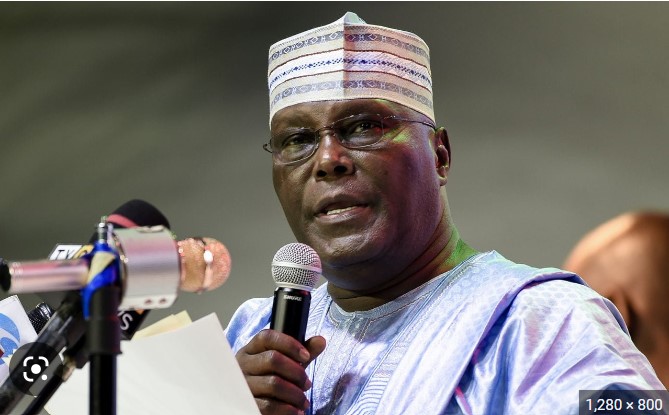
Former Vice President Atiku Abubakar has sharply criticized the Nigerian federal government for allocating a staggering N17.5 trillion to secure oil pipelines, calling it an extravagant waste amid widespread poverty and insecurity.
In a statement issued on Sunday, November 30, 2025, Atiku questioned the justification for such a massive outlay, arguing that the funds could have been better used to address pressing national challenges like infrastructure, education, and healthcare. He accused the administration of President Bola Tinubu of fiscal recklessness, stating that the spending reflects a lack of transparency and accountability in managing public resources.

“This N17.5 trillion pipeline security contract is not just an expenditure; it’s a betrayal of the Nigerian people,” Atiku said. “While families struggle to put food on the table, billions are funneled into protecting oil interests without clear results. Where is the oversight? Where are the jobs and development this money could have created?”
Atiku highlighted recent reports from the Nigerian National Petroleum Company Limited (NNPCL) detailing the contract’s scope, which involves surveillance, repairs, and community engagements across the Niger Delta. He demanded an immediate audit by the National Assembly and called for the funds to be redirected toward youth empowerment and economic diversification.
The Peoples Democratic Party (PDP) presidential candidate in the 2023 elections further linked the spending to broader governance failures, including rising inflation and unemployment. “Nigerians deserve better than this opulence in the face of suffering,” he added. “The government must come clean or face the consequences at the polls.”
The Tinubu administration has yet to respond to Atiku’s remarks, but sources in the presidency described the allocation as essential for boosting oil production and national revenue. Critics, however, echo Atiku’s concerns, pointing to past pipeline vandalism incidents that have cost the economy billions.
This development comes amid ongoing debates over the 2025 budget, with opposition leaders urging reforms to prioritize citizen welfare over sectoral protections.

