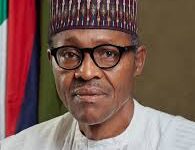
President Bola Ahmed Tinubu has taken another major step toward the establishment of state police in Nigeria by constituting a high-powered implementation committee to drive one of the country’s most significant security reforms.
The committee has Chief of Staff to the President, Rt. Hon. Femi Gbajabiamila, as its chairman. Other members include the Attorney-General of the Federation and Minister of Justice, Lateef Fagbemi (SAN), the National Security Adviser (NSA), the Inspector-General of Police (IGP), the President of the Nigerian Bar Association (NBA), the Chairman of the Nigeria Governors’ Forum (NGF), the Chairman of the NGF Committee on State Police, as well as a dedicated secretariat.
The implementation committee has been tasked with developing the operational framework, legal guidelines, and implementation strategy for the proposed state police system, following increasing calls for the decentralisation of policing to tackle the nation’s security challenges.
The move comes amid rising concerns over kidnapping, banditry, terrorism, communal conflicts, and other forms of criminality that have continued to test the capacity of Nigeria’s existing centralised policing structure.
According to the Federal Government, the committee will engage key stakeholders across the country to ensure that the proposed state police system is transparent, effective, accountable, and fully aligned with constitutional provisions.
The panel is also expected to make recommendations on critical issues, including funding, recruitment, training, command structure, operational standards, oversight mechanisms, and collaboration between state police formations and federal security agencies.
Speaking on the initiative, the Attorney-General of the Federation and Minister of Justice, Lateef Fagbemi (SAN), described the establishment of the committee as both timely and necessary, considering the numerous security challenges confronting the country. He noted that the implementation of state police has become increasingly important in strengthening Nigeria’s internal security architecture.
Security experts and political stakeholders have welcomed the development, describing it as a landmark step toward improving community policing, enhancing intelligence gathering, and enabling quicker responses to security threats at the sub-national level.
However, they also called for strong constitutional safeguards to prevent abuse, political interference, and ensure professionalism within the proposed state police structure.
With the inauguration of the implementation committee, the Federal Government has reaffirmed its commitment to reforming Nigeria’s security system, raising expectations that the committee’s recommendations will shape the future of policing and public safety across the federation.